Why Chess is a Powerful Tool for Personal Growth


The Strategic Mindset
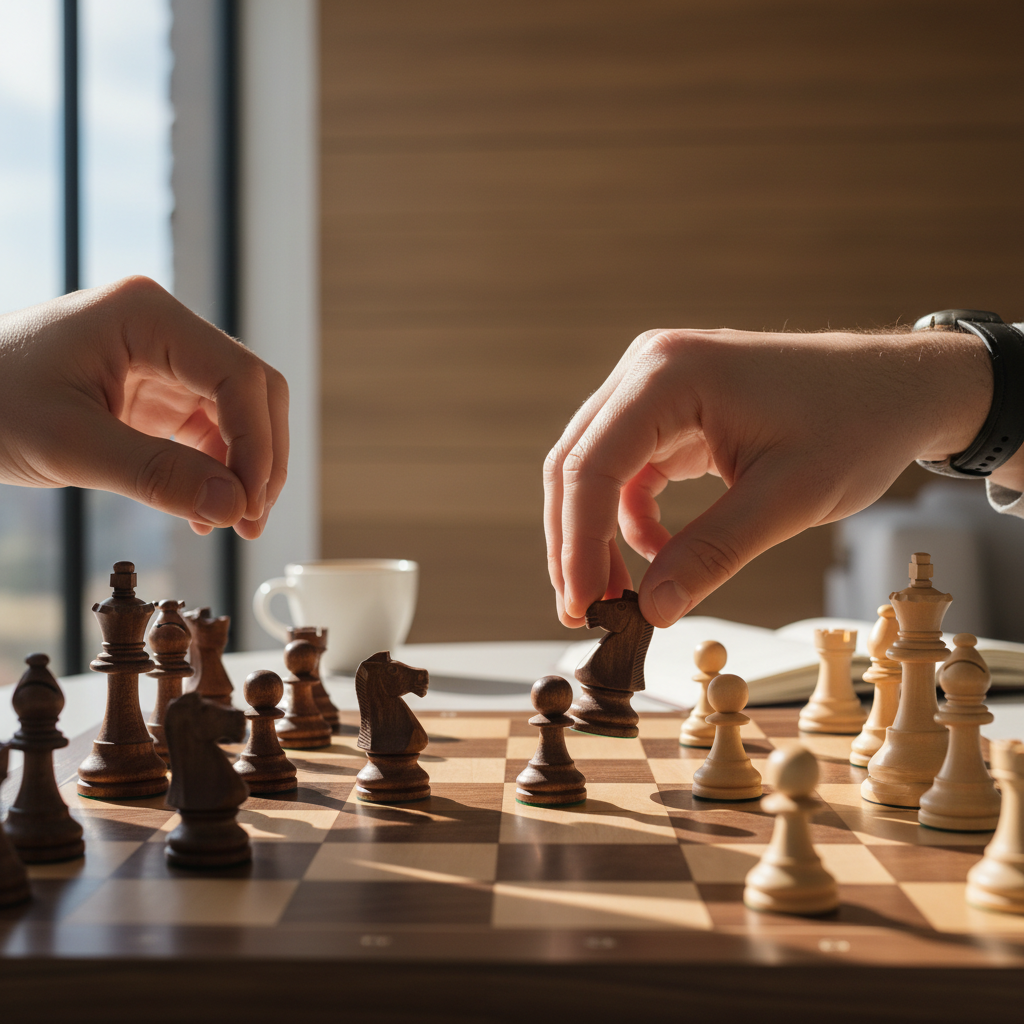
Chess is often celebrated as a game of strategy and foresight. Playing chess requires you to think several moves ahead, anticipating your opponent's actions and planning your own. This strategic thinking is not just applicable to the board but also translates to real-life decision-making. By honing your ability to plan and predict, chess helps you approach life's challenges with a more structured mindset.
Enhancing Problem-Solving Skills
Every chess game presents a new set of problems to solve. From opening strategies to endgame tactics, players must constantly evaluate and adapt. This continuous problem-solving exercise significantly enhances your ability to tackle complex issues. Whether it's a work-related challenge or a personal dilemma, the skills developed on the chessboard empower you to find creative and effective solutions.
Critical Thinking
Chess encourages critical thinking by requiring players to analyze positions, evaluate options, and make decisions under pressure. This cognitive process strengthens your ability to assess situations critically, leading to better judgment in everyday scenarios. The ability to weigh pros and cons and foresee potential outcomes becomes second nature.

Building Patience and Discipline
Patience is a virtue often associated with successful chess players. The game demands careful consideration and the ability to wait for the right moment to execute a strategy. This patience is a valuable skill in personal growth, fostering discipline in various aspects of life. By learning to control impulsive decisions, you become more resilient and focused on long-term goals.
Concentration and Focus
Chess requires intense concentration and focus. Players must remain attentive throughout the game, constantly analyzing and re-evaluating the board. This practice enhances your ability to concentrate on tasks, improving productivity and efficiency in all areas of life. A strong focus helps you achieve a deeper understanding of complex issues and enhances your learning capabilities.

Boosting Emotional Intelligence
Engaging in chess fosters emotional intelligence by teaching you to manage emotions during intense situations. The highs and lows of winning and losing develop your ability to handle success and failure gracefully. This emotional resilience is crucial for personal growth, enabling you to navigate life's ups and downs with a balanced perspective.
Social Interaction
Chess is not only a solitary pursuit; it can also be a social activity. Playing against opponents or participating in tournaments encourages interaction and communication. These social experiences enhance your ability to connect with others, build relationships, and learn from different perspectives. Engaging with diverse opponents broadens your understanding of human behavior and empathy.

Conclusion: A Life-Long Journey
Chess offers a lifelong journey of learning and personal development. The lessons learned on the chessboard extend far beyond the game itself, providing valuable skills and attributes that contribute to personal growth. Whether you're a seasoned player or a beginner, embracing chess as a tool for development can lead to profound personal transformation.