
The Rising Popularity of Chess Among Young Children: A Gateway to Mental Growth


Introduction to Chess for Young Minds
In recent years, chess has experienced a remarkable surge in popularity among young children. This ancient game, once considered the domain of intellectuals and strategists, is now seen as a powerful tool for mental growth and development. Schools and parents alike are recognizing the many benefits that chess offers to developing minds.

Cognitive Benefits of Chess
Chess is not just a game; it’s a mental workout. Playing chess enhances cognitive abilities, including problem-solving skills, memory, and concentration. Children learn to think several moves ahead, anticipate their opponents' strategies, and make decisions under pressure. These skills are transferable to other areas of life, including academics.
Moreover, chess can significantly improve critical thinking and logical reasoning. It encourages players to approach problems methodically and creatively, fostering a mindset that is beneficial in both mathematical and scientific pursuits.
Social and Emotional Growth
Beyond cognitive development, chess also promotes social and emotional growth. It teaches children patience, resilience, and sportsmanship. By engaging in matches, young players learn to handle wins and losses gracefully, developing a healthy attitude towards competition.

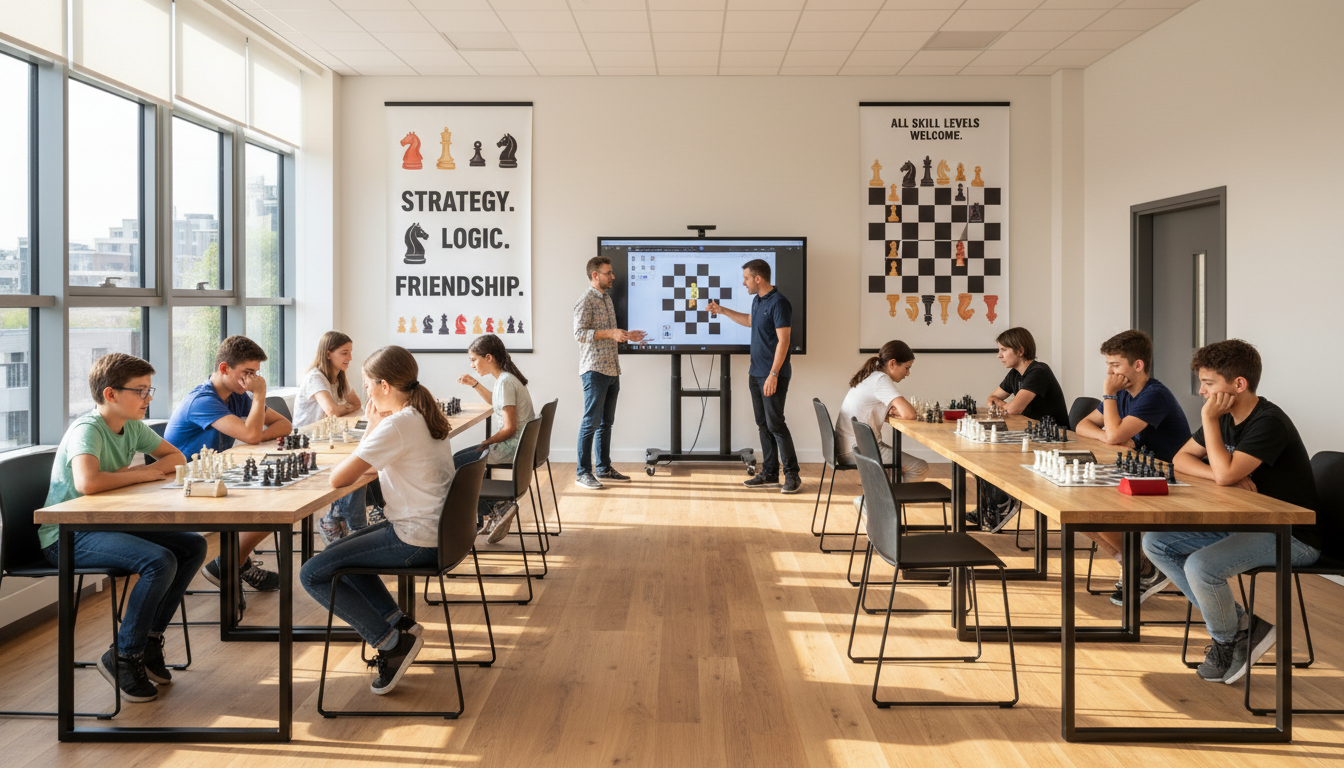
Chess clubs and tournaments provide a platform for social interaction, allowing children to make new friends and share a common interest. This sense of community can enhance their communication skills and boost self-esteem.
Chess in the Educational System
Recognizing its benefits, many educational institutions have incorporated chess into their curricula. Schools offer chess clubs and classes, providing students with access to structured learning and competitive play. Teachers report that students who participate in chess programs often show improvements in academic performance.
Chess also aligns with many educational standards, making it an ideal complement to traditional teaching methods. It encourages strategic thinking and problem-solving, which are key components of most educational frameworks.
Parental Involvement and Encouragement
Parents play a vital role in nurturing a child’s interest in chess. Encouraging participation in chess activities at home or in the community can enhance a child's enthusiasm for the game. Parents can also support their children by engaging in matches and discussing strategies, making chess a family bonding activity.
Providing resources such as books, online tutorials, and chess apps can further assist young players in developing their skills. Many online platforms offer interactive lessons and puzzles designed specifically for children.
Conclusion: The Future of Chess in Youth Development
The rising popularity of chess among young children is more than a trend; it’s a movement towards fostering well-rounded, mentally agile individuals. As more parents, educators, and communities recognize the profound benefits of chess, its role in youth development will undoubtedly continue to expand.
By embracing chess, we open the door to a world of mental growth and opportunity for the next generation. The game’s timeless appeal and educational value make it an ideal tool for nurturing young minds.