
The Cognitive Benefits of Chess for Children: Boosting Brainpower Through Play


Introduction to Chess and Cognitive Development
Chess, a game with a rich history and global appeal, is more than just a pastime. For children, it offers a wealth of cognitive benefits that can enhance brainpower through strategic play. As young minds engage in this intellectual challenge, they develop skills that extend beyond the chessboard.
Enhancing Problem-Solving Skills
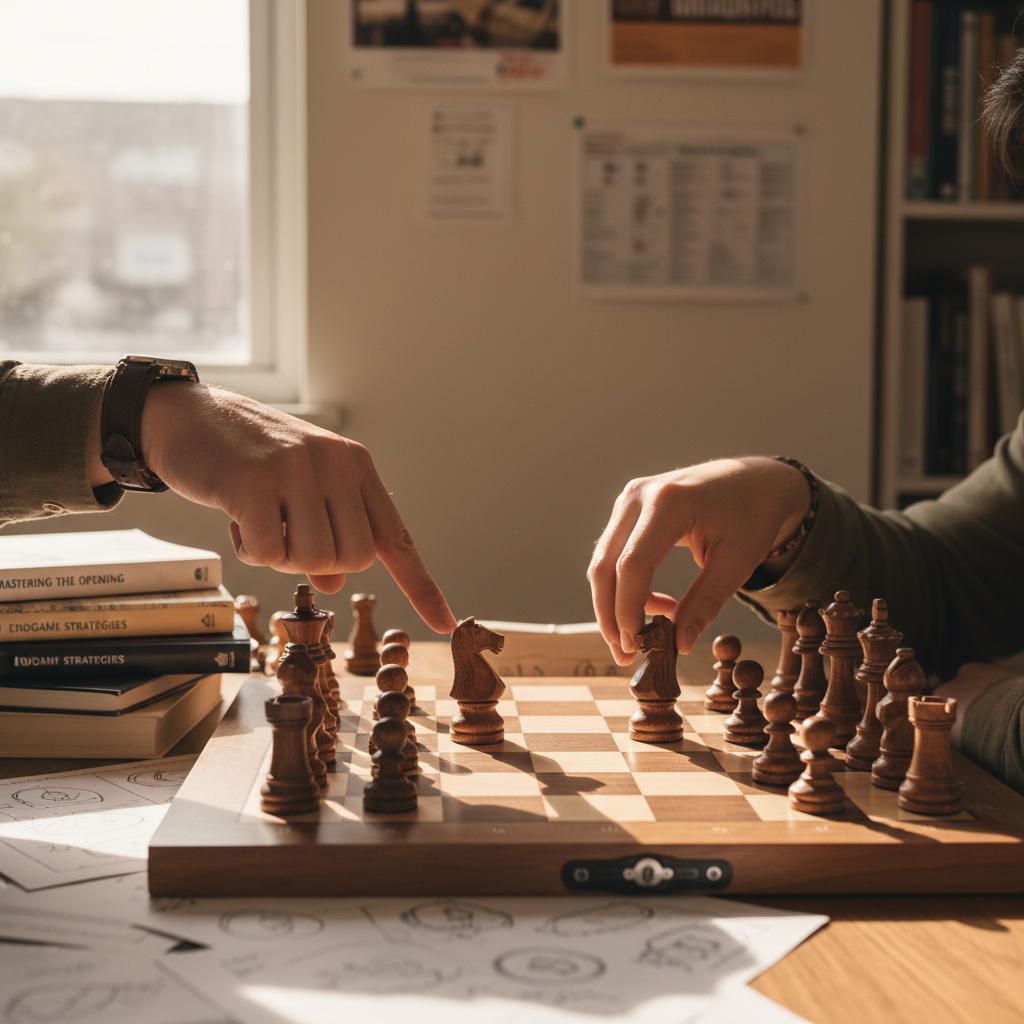
One of the most significant benefits of chess is its ability to improve problem-solving skills. Children learn to think critically and anticipate their opponent's moves, promoting strategic thinking. This capability translates to better decision-making in real-life scenarios, as they assess situations and plan accordingly.
Moreover, chess encourages children to consider multiple perspectives and outcomes. This foresight is invaluable, helping them to weigh options and understand consequences, thus enhancing their analytical skills.
Boosting Memory and Concentration
Chess requires players to remember complex sequences of moves and strategies. This constant mental exercise strengthens memory and concentration. Children who play chess regularly often show improved attention spans and an enhanced ability to focus on tasks.
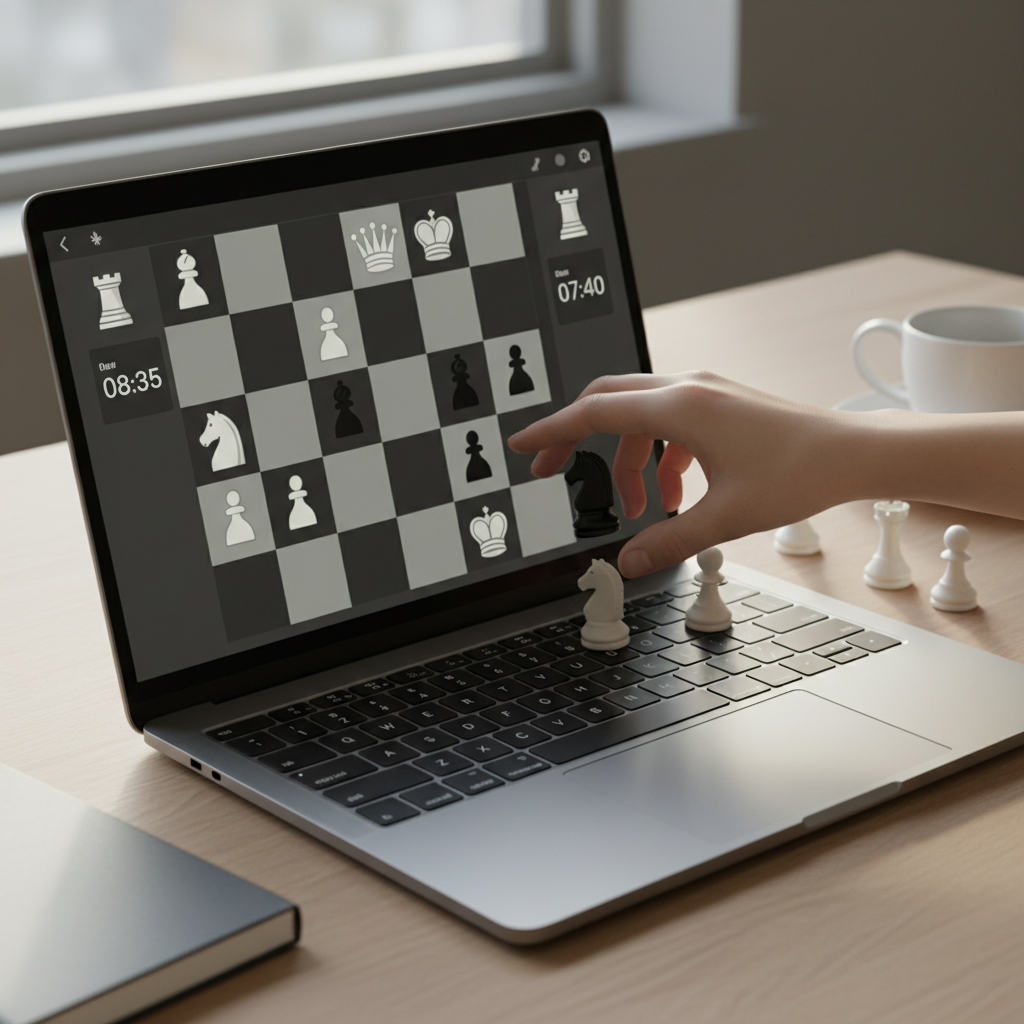
By memorizing patterns and sequences, children also develop better recall abilities. These skills are crucial in academic settings, where remembering information is key to success.
Fostering Creativity and Imagination
Contrary to the belief that chess is purely logical, it also fosters creativity. Players must think outside the box to outmaneuver their opponents. This creative thinking encourages children to explore innovative solutions and express themselves uniquely.
Chess inspires imagination by challenging players to visualize moves and outcomes mentally. This visualization skill is beneficial not only in arts and literature but also in scientific and mathematical problem-solving.

Building Confidence and Patience
Playing chess helps children build confidence as they master the game's complexities. Winning a match or successfully executing a strategy can significantly boost a child's self-esteem, motivating them to tackle challenges in other areas of life.
Additionally, chess teaches patience and perseverance. Learning from mistakes and trying new strategies cultivates resilience, a valuable trait that helps children face setbacks with a positive attitude.
Conclusion: The Lifelong Impact of Chess
The cognitive benefits of chess for children are profound and far-reaching. By engaging in this strategic game, young minds develop skills that enhance their academic performance and personal growth. Encouraging children to play chess not only boosts their brainpower but also prepares them for future success.