
Seasonal Mental Games to Boost Emotional Growth in Children


Seasonal Mental Games to Boost Emotional Growth in Children
As the seasons change, so do the opportunities to engage children in activities that enhance their emotional growth. Leveraging the unique aspects of each season can make learning and development both fun and impactful. Here are some engaging mental games tailored for each season to help children build emotional resilience and intelligence.

Spring: Nature Scavenger Hunts
Spring is a time of renewal and growth, making it perfect for nature scavenger hunts. These outdoor adventures encourage children to explore their surroundings while developing observational skills and fostering a sense of wonder. Create a list of items for them to find, such as specific leaves, flowers, or rocks. This activity not only promotes mental agility but also teaches children to appreciate the beauty of nature.
During the hunt, encourage children to express their feelings about each discovery. Ask questions like "How does this flower make you feel?" or "What do you think this rock's journey has been?" These reflective questions build emotional awareness and empathy.

Summer: Creative Storytelling
Summer offers longer days and endless potential for creativity. Engage children in storytelling activities that stimulate their imagination and emotional expression. Provide them with a few prompts based on summer adventures, such as a day at the beach or a picnic in the park. Encourage them to create stories around these themes.
Storytelling helps children articulate their thoughts and emotions. It also allows them to explore different perspectives, enhancing their empathy and understanding of others. You can even turn it into a group activity where each child adds a sentence to the story, building collaboration and listening skills.
Autumn: Emotional Charades
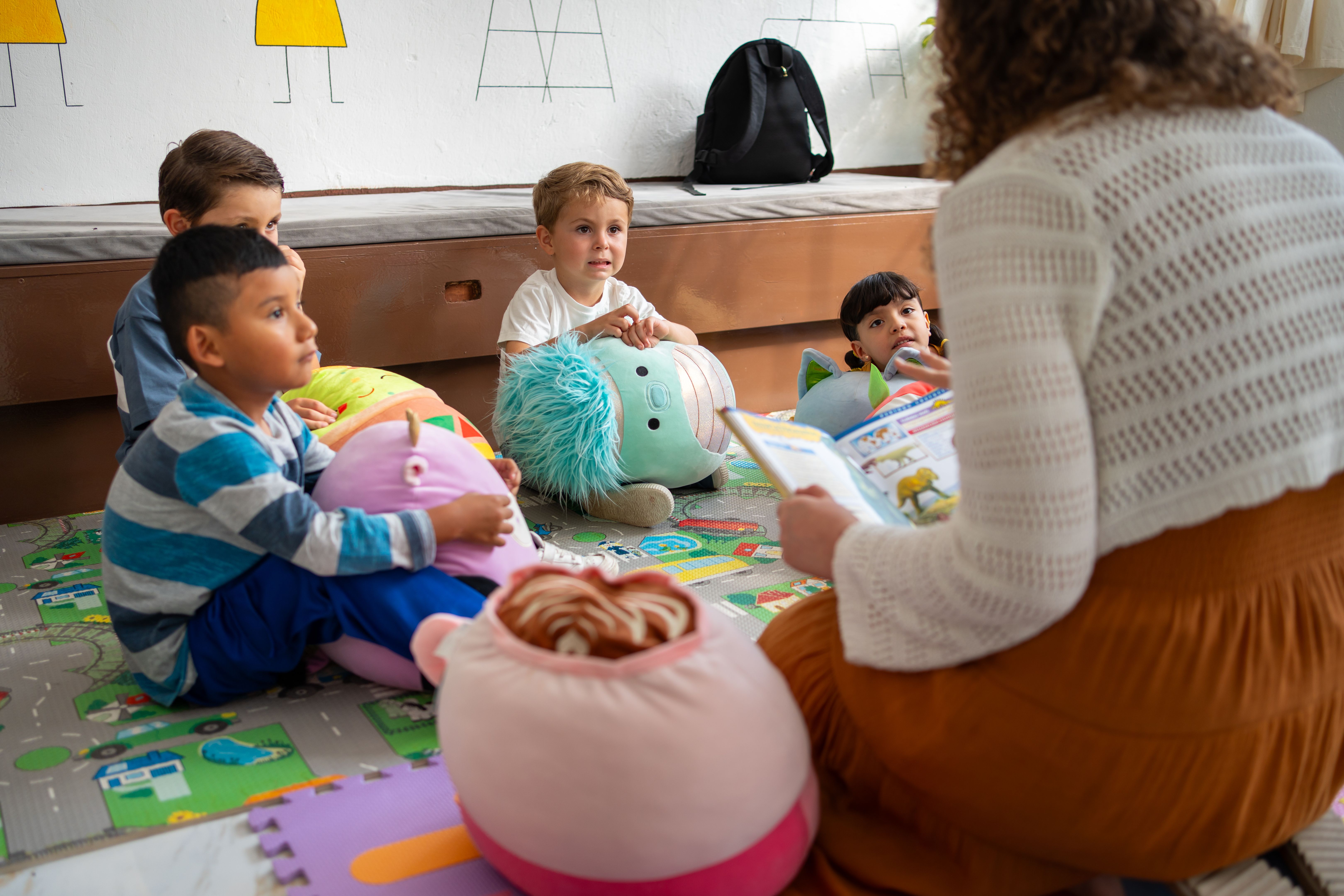
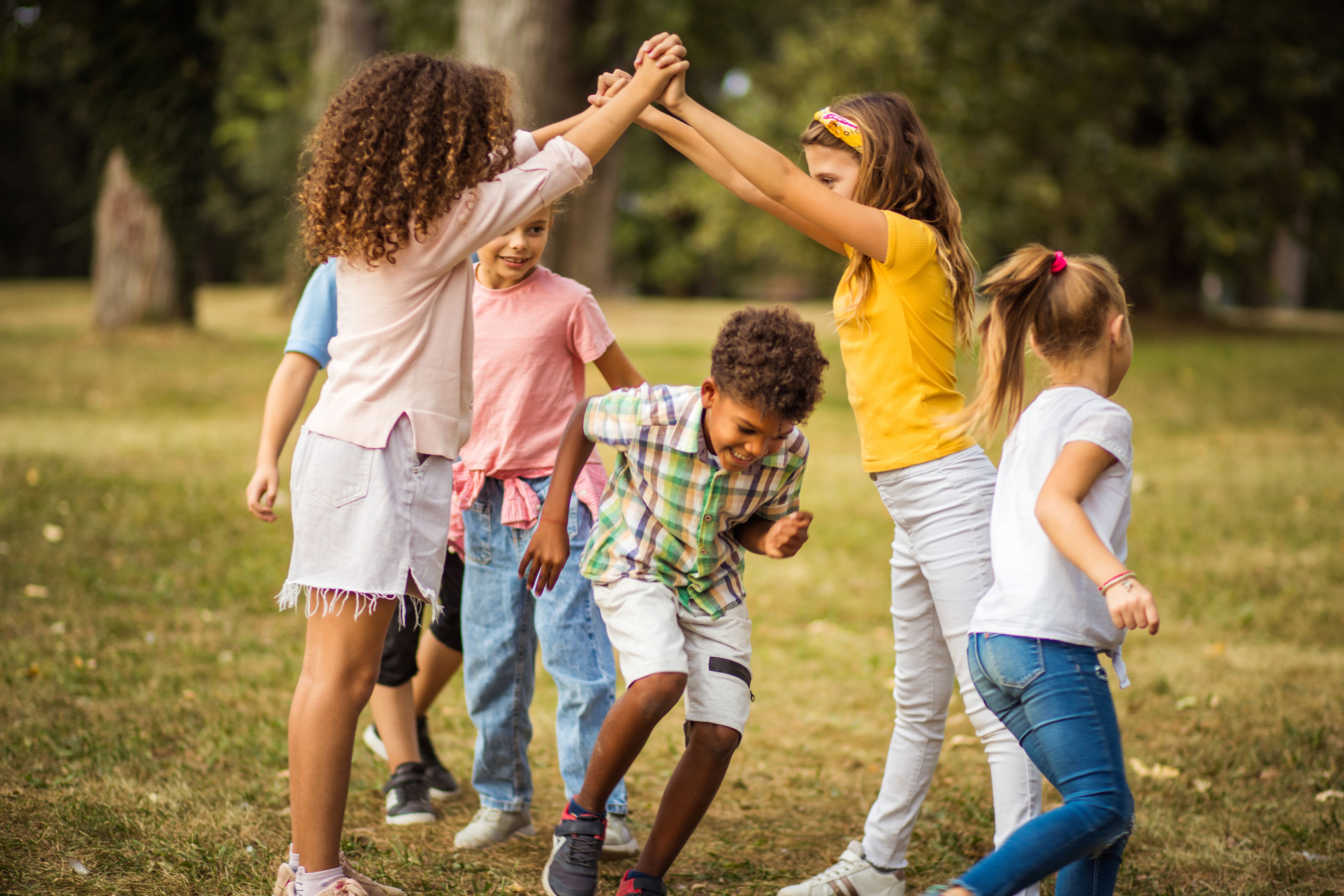
Autumn, with its vibrant colors and crisp air, is an ideal time to play emotional charades. This game involves acting out different emotions without speaking, allowing children to practice recognizing and interpreting non-verbal cues. Write down various emotions on slips of paper, such as happiness, sadness, surprise, and anger.
As children act out these emotions, others must guess what they are. This activity not only enhances emotional intelligence but also encourages children to be more attuned to the feelings of those around them. It's a fun way to build empathy and communication skills.
Winter: Mindful Coloring
Winter's cozy atmosphere provides an excellent opportunity for mindful coloring activities. Provide children with coloring books or sheets that focus on calming patterns and scenes of winter landscapes. As they color, encourage them to focus on their breathing and the sensations of the activity.
Mindful coloring helps children relax and reduces stress, promoting emotional well-being. It also encourages them to stay in the moment, fostering mindfulness and patience. Discuss their color choices and how they relate to their emotions, further enhancing self-awareness.
Year-Round: Journaling
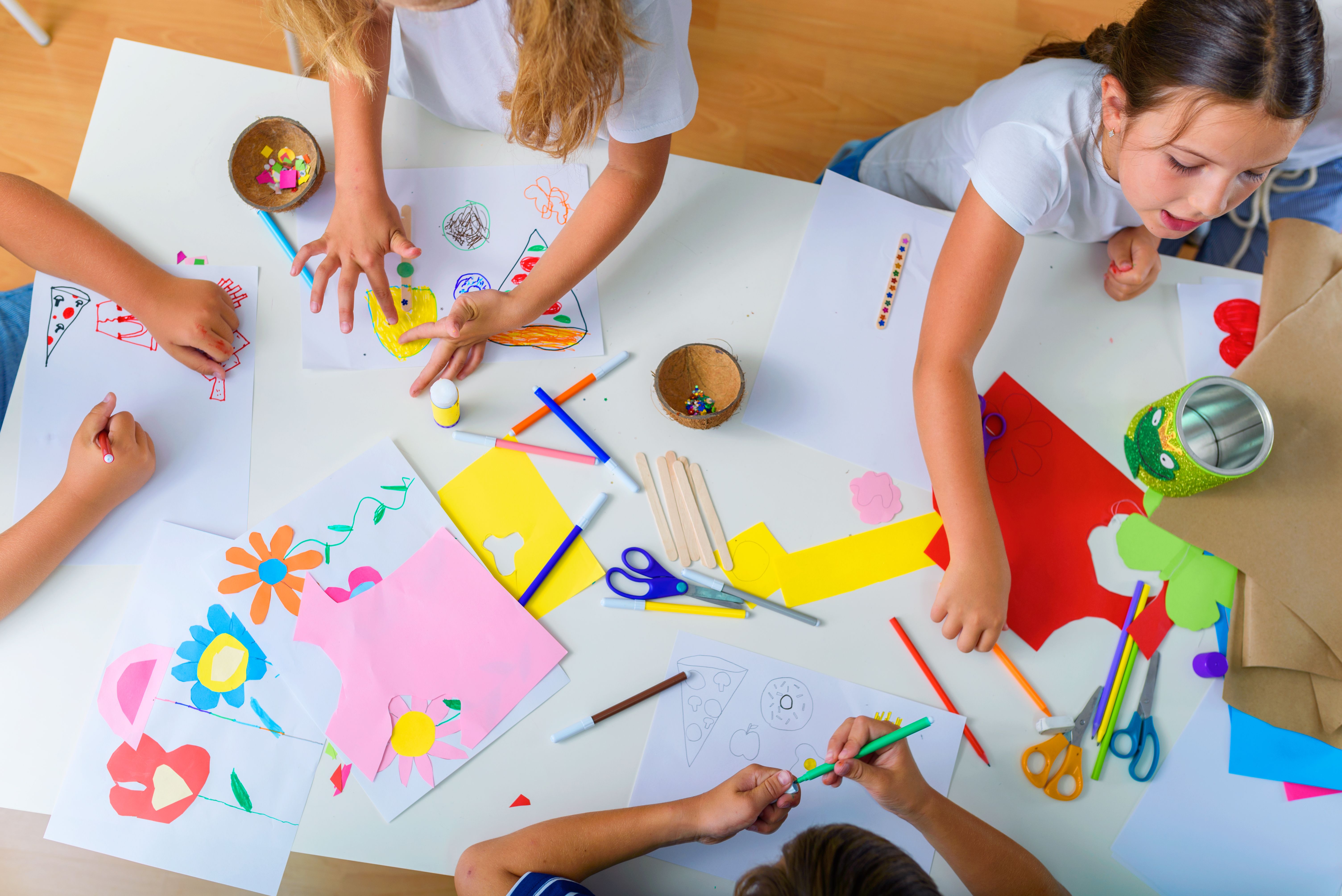
Regardless of the season, journaling is a powerful tool for emotional growth. Encourage children to maintain a journal where they can express their thoughts and feelings. Provide prompts that relate to their daily experiences, such as "What made you happy today?" or "What challenges did you face?"
Journaling helps children process their emotions and reflect on their experiences. It fosters a habit of introspection and emotional regulation, which are essential skills for personal development. By expressing themselves on paper, children learn to identify and manage their emotions more effectively.
These seasonal mental games are not only fun but also play a crucial role in boosting emotional growth. By incorporating these activities into your child's routine, you can help them develop a deeper understanding of themselves and others, setting a strong foundation for emotional intelligence.