
How Chess Improves Cognitive Skills: A Seattle Parent’s Guide


Introduction to Chess and Cognitive Development
As a parent in Seattle, you may be exploring different activities to stimulate your child's intellectual growth. One timeless and effective option is chess. This classic game is not merely a pastime; it is a powerful tool for enhancing cognitive skills.
Chess encourages critical thinking, strategic planning, and problem-solving. These skills are crucial for academic success and personal development. In this guide, we will explore how chess can benefit your child's cognitive abilities.
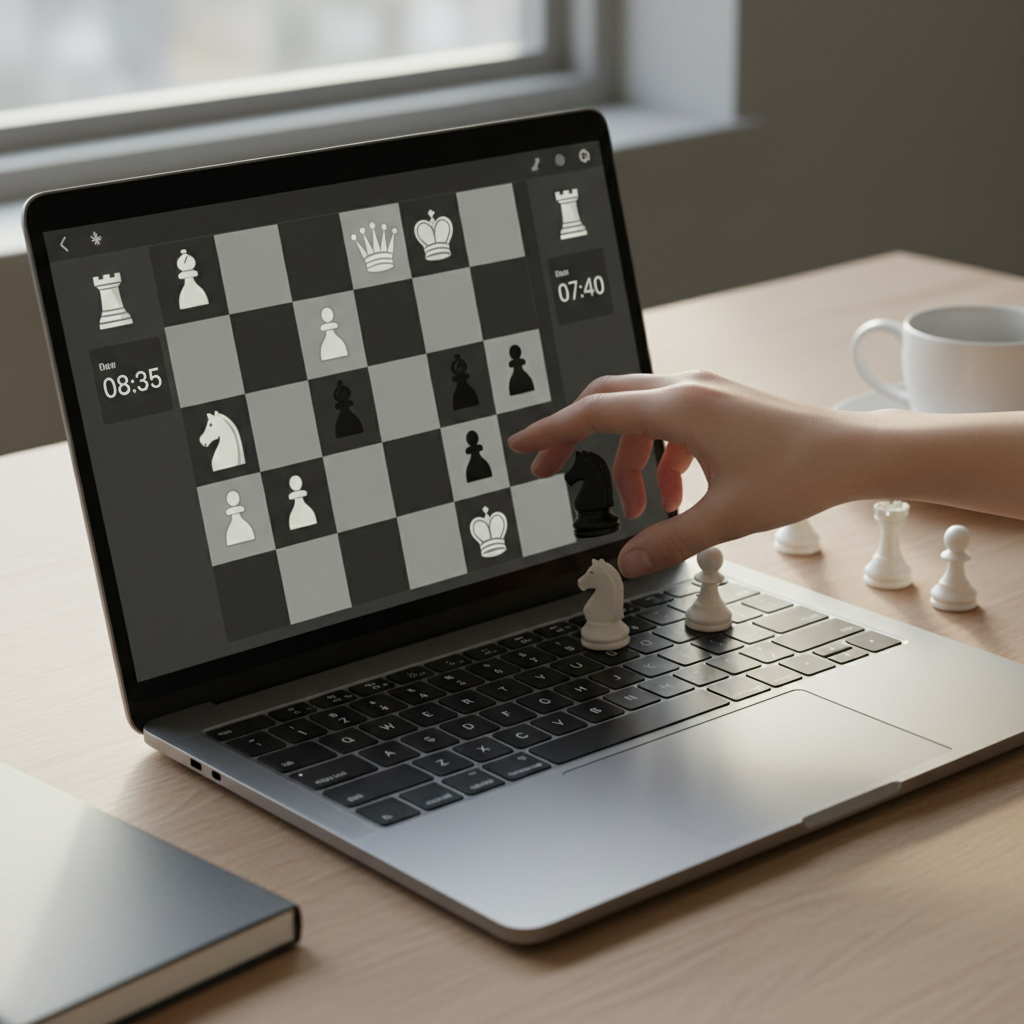
Enhancing Problem-Solving Skills
Chess requires players to think several moves ahead, anticipating their opponent’s strategies and planning countermeasures. This process helps improve problem-solving skills as children learn to assess situations, identify potential threats, and devise effective solutions.
As Seattle parents, providing your child with opportunities to play chess can foster a proactive mindset, encouraging them to tackle challenges with confidence and creativity.
Boosting Memory and Concentration
Playing chess demands a high level of concentration and memory retention. Children must remember their opponent's moves and the positions of various pieces, all while planning their strategies. This constant mental engagement enhances both short-term and long-term memory.

Developing Strategic Thinking
Chess is a game of strategy. Players must evaluate different scenarios and choose the best course of action. This strategic thinking is not only beneficial in chess but also in academic subjects like math and science, where logical reasoning is key.
In Seattle, where innovation and technology thrive, nurturing strategic thinking from a young age can give children an advantage in these fields.
Improving Emotional Intelligence
Chess also helps in developing emotional intelligence. Players learn to manage their emotions, stay calm under pressure, and handle both victories and defeats gracefully. This emotional resilience is an invaluable skill for children as they navigate various aspects of life.
Encouraging Social Interaction
While chess is often seen as a solitary game, it can also promote social interaction. Participating in chess clubs or tournaments allows children to meet peers with similar interests, fostering friendships and teamwork.
Seattle offers numerous chess clubs and events for children, making it easy for parents to integrate this enriching activity into their child's routine.
Conclusion: Making Chess a Part of Your Child’s Life
By introducing chess to your child, you are opening doors to a world of cognitive and emotional growth. Whether through local chess clubs, online platforms, or family game nights, there are numerous ways to incorporate chess into your child's life.
In Seattle, where educational excellence is a priority, chess can be a valuable addition to your child’s development toolkit. Encourage your child to play, learn, and grow with chess, and watch as they develop skills that will benefit them for a lifetime.