
How Chess Can Boost Your Child's Academic Performance


Introduction to Chess and Its Benefits
Chess is more than just a game; it is a tool for intellectual development. Many parents and educators have discovered that introducing children to chess can significantly enhance their academic performance. This strategic game fosters a range of cognitive skills that are crucial for academic success.

Cognitive Skills Enhancement
Problem-Solving Skills
Chess requires players to think critically and solve complex problems. Children learn to anticipate their opponent's moves and plan several steps ahead. This practice strengthens their problem-solving abilities, which are directly applicable to subjects like mathematics and science.
Improved Concentration
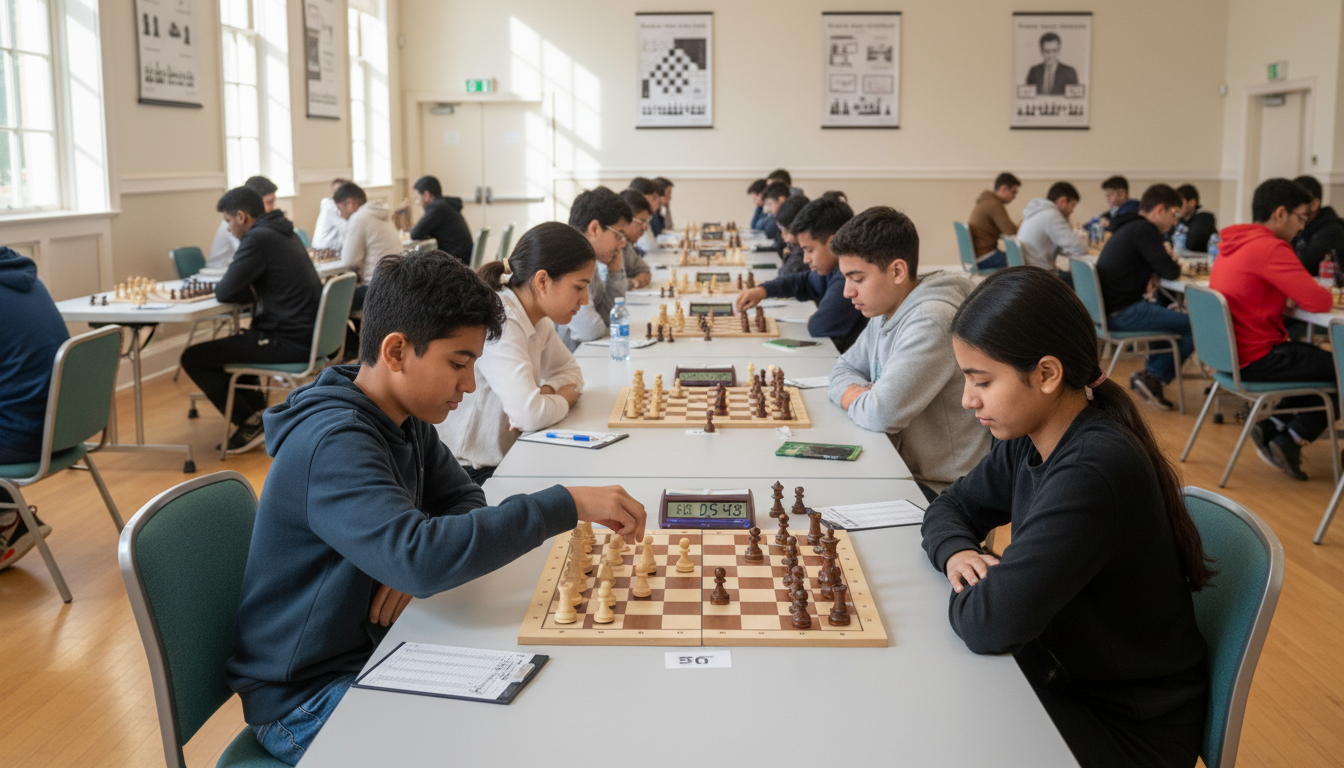
Playing chess demands intense concentration and focus. Children must pay attention to the entire board and consider multiple possibilities. This heightened focus translates to better attention spans and improved performance in the classroom.

Academic Performance Boost
Mathematical Abilities
Chess enhances mathematical skills by encouraging logical thinking and pattern recognition. These skills are foundational in mathematics, helping children understand complex concepts more easily. Research has shown that children who play chess perform better in math than their peers who do not.
Language and Reading Comprehension
Chess also positively impacts language skills. The game requires understanding intricate rules and strategies, which can improve reading comprehension and vocabulary. Children learn to articulate their thoughts and analyze various scenarios, aiding language development.

Emotional and Social Benefits
Patience and Discipline
Chess teaches patience and discipline as children must wait for their turn and think carefully before making a move. These qualities are essential for academic success and personal growth. Students who cultivate patience through chess are better prepared to tackle challenging tasks.
Social Interaction
Playing chess can also improve social skills. Whether in a club or tournament setting, children learn to communicate, negotiate, and respect others. These interactions build confidence and foster a sense of community, enhancing their overall school experience.
Conclusion
Incorporating chess into your child's routine can be a powerful way to boost their academic performance. The game develops critical skills that are applicable across various subjects, while also offering emotional and social benefits. Consider introducing your child to chess—it might be the key to unlocking their full potential in school and beyond.