
Exploring the Benefits of Mental Games for Children’s Development


Enhancing Cognitive Skills
Mental games are a fantastic way to boost children's cognitive development. By engaging in activities that challenge their thinking, children develop critical skills such as problem-solving, memory, and logical reasoning. Games like puzzles, chess, and Sudoku encourage kids to think strategically and improve their ability to process information.
Research has shown that children who regularly play mental games tend to perform better academically. These activities stimulate brain function, enhancing concentration and the ability to retain information. This cognitive boost can be instrumental in a child's educational journey.
Promoting Emotional Development
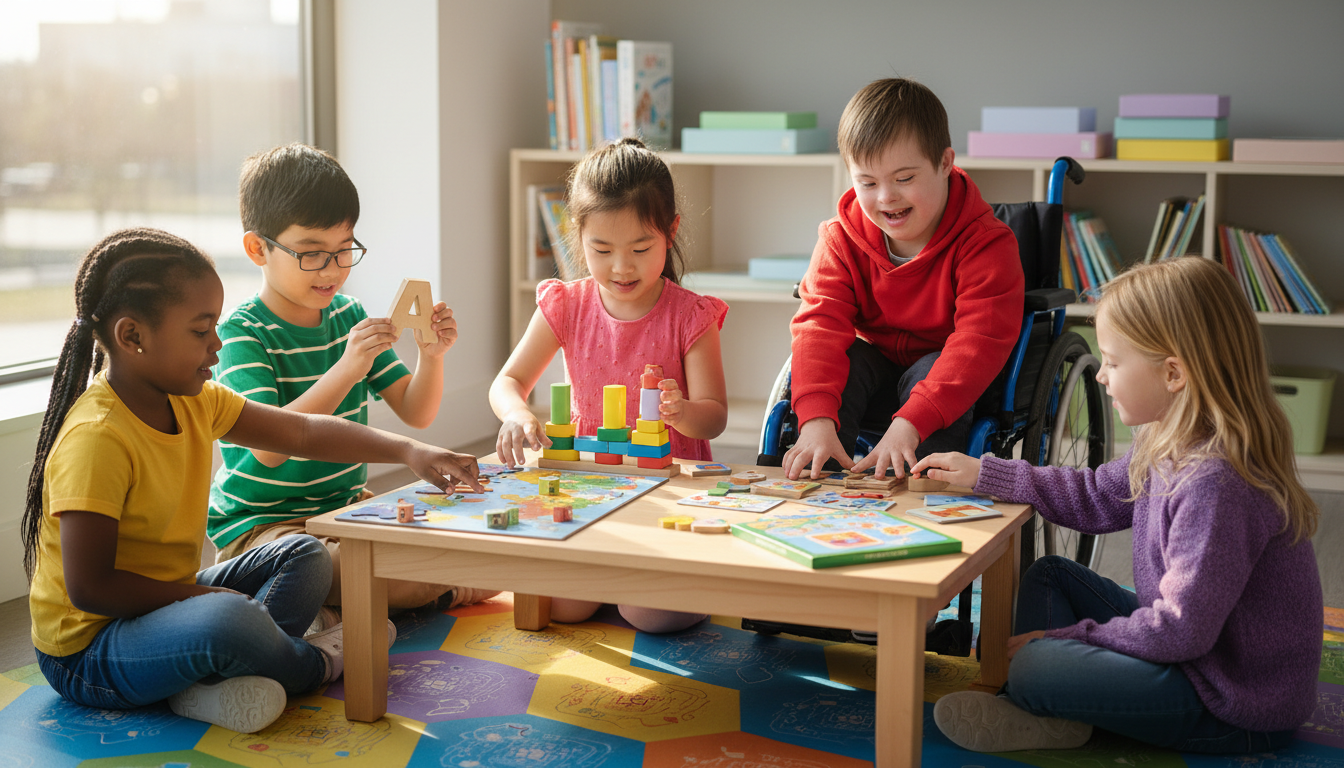
Beyond cognitive benefits, mental games also play a vital role in emotional development. Through games, children learn about competition, patience, and the importance of persistence. They experience the joy of winning and learn to cope with the disappointment of losing, which builds emotional resilience.
Mental games often require children to cooperate and communicate with others, fostering essential social skills. By working together, children learn empathy, improve their ability to listen, and develop a sense of teamwork.
Encouraging Creativity
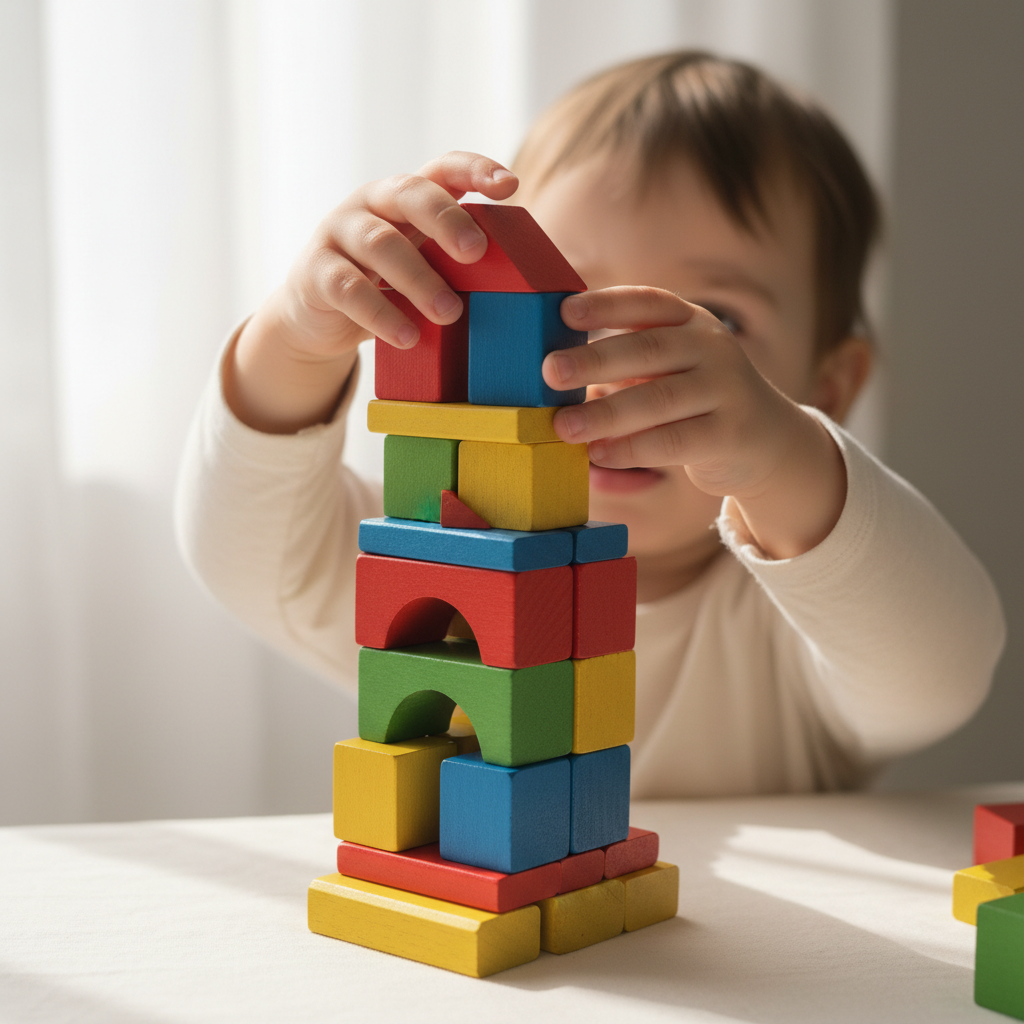
Certain types of mental games, such as storytelling puzzles or creative building blocks, can significantly boost a child's creativity. These games encourage children to think outside the box and explore different perspectives. By engaging in creative problem-solving, children develop innovative thinking skills that can be beneficial throughout their lives.
Strengthening Focus and Attention
In today's digital world, maintaining focus and attention can be challenging for children. Mental games help improve these skills by requiring sustained concentration and attention to detail. Games that involve multiple steps or require players to remember specific rules are particularly effective in enhancing these abilities.
By practicing focus through games, children can transfer these skills to other areas of life, such as studying or completing tasks, making them more efficient and effective learners.
Building Confidence and Self-Esteem
Mental games provide children with opportunities to achieve and succeed, which boosts their confidence. Completing a challenging puzzle or winning a game can foster a sense of accomplishment and strengthen a child's self-esteem. This confidence can spill over into other areas of their lives, encouraging them to take on new challenges and believe in their abilities.
Developing Strategic Thinking
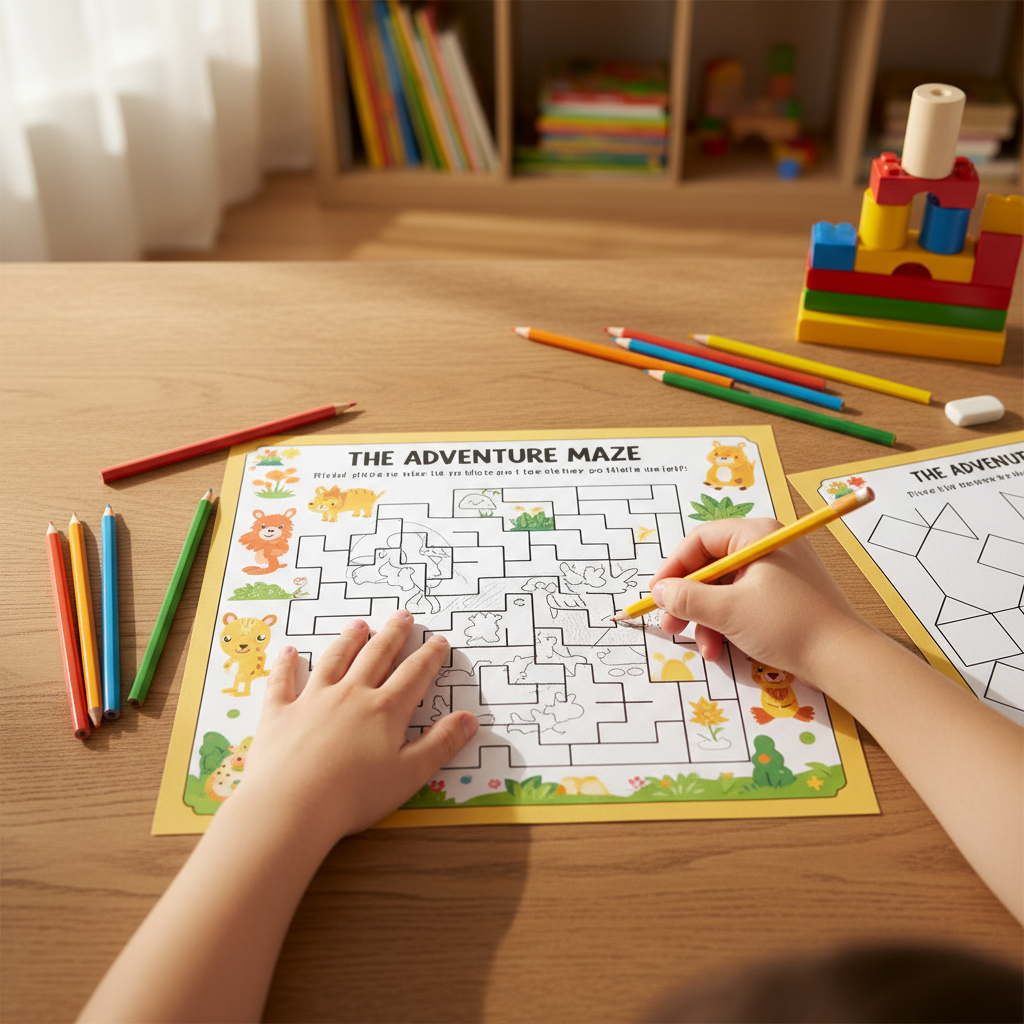
Games that involve planning and strategy, such as chess or certain video games, teach children to think ahead and anticipate possible outcomes. This strategic thinking is a crucial skill that can apply to various life situations, from academic challenges to personal decision-making.
By understanding the consequences of their actions and considering different possibilities, children learn to make informed decisions, an essential skill for their future.
Conclusion
Mental games are more than just a fun pastime for children. They are a powerful tool for enhancing cognitive, emotional, and social development. By incorporating these activities into a child's routine, parents and educators can support a well-rounded development path, equipping children with the skills they need to succeed in life.