
Enhancing Cognitive Skills Through Chess: A Comprehensive Guide


The Cognitive Benefits of Chess
Chess is more than just a game; it's a powerful tool for enhancing cognitive abilities. Through strategic thinking and problem-solving, players can develop skills that are applicable in various aspects of life. By engaging in chess, individuals of all ages can improve their memory, concentration, and decision-making abilities.
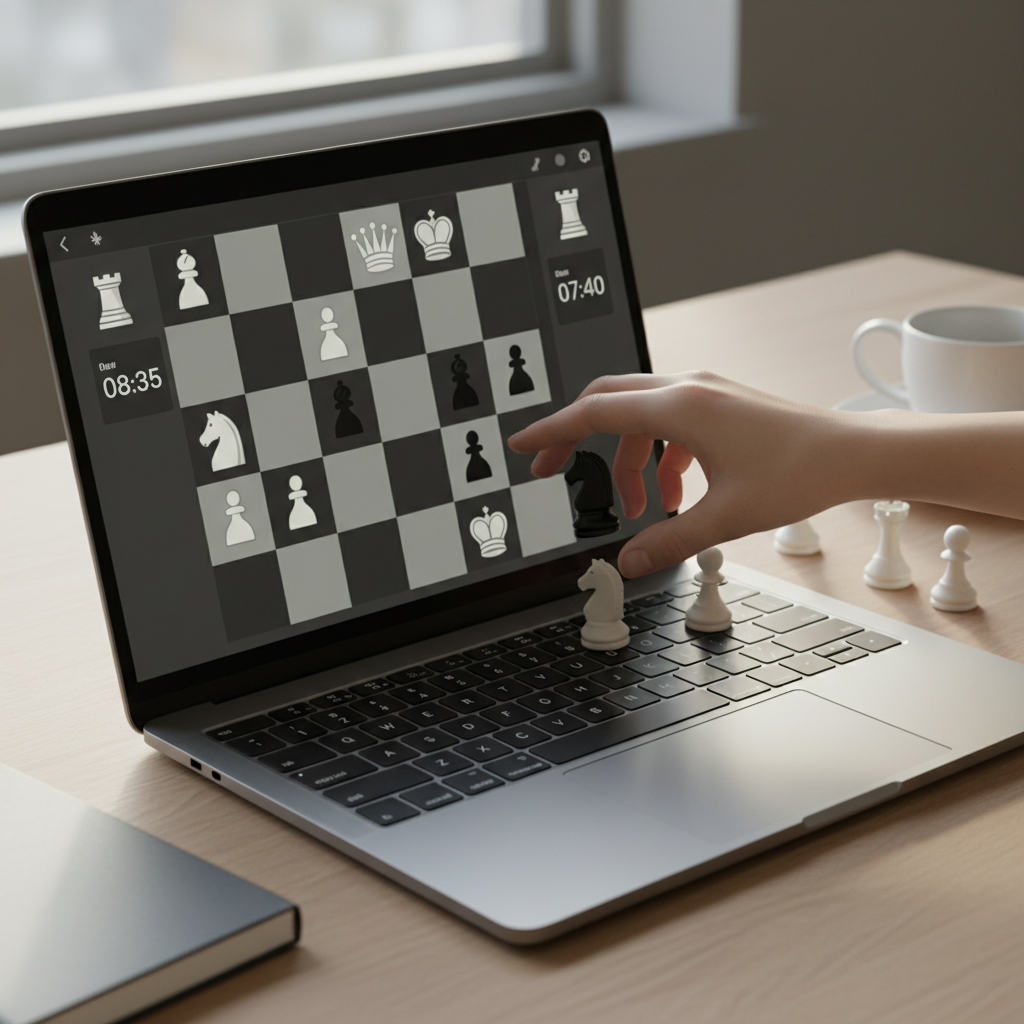
Research has shown that playing chess can lead to significant improvements in a person's cognitive development. These benefits are not limited to children; adults and seniors can also experience enhanced mental agility. The game's complex nature requires players to think several moves ahead, fostering critical and abstract thinking skills.
Memory Enhancement Through Chess
One of the most notable cognitive benefits of chess is memory enhancement. Chess players must remember their opponent's moves, recognize patterns, and anticipate future plays. This constant mental exercise strengthens both short-term and long-term memory.
Moreover, chess helps in developing a player's ability to recall visual patterns. As players become familiar with different strategies, they learn to quickly recognize and recall various board positions. This skill is invaluable not only in chess but also in everyday life.

Improving Concentration and Focus
Chess requires intense concentration and focus. Players must stay attentive to avoid missing any critical moves or making mistakes. This focus on the game can enhance a player's ability to concentrate on tasks outside of chess, leading to improved productivity and performance in other activities.
As players become more experienced, they learn to block out distractions and maintain their concentration for extended periods. This skill can be particularly beneficial for students and professionals who need to focus on complex tasks.

Developing Problem-Solving Skills
Chess is often referred to as the "game of kings" because it involves complex problem-solving and strategic thinking. Players must evaluate different scenarios, consider potential consequences, and make decisions that will lead to victory. This practice enhances one's ability to solve problems efficiently and effectively.
The strategic nature of chess encourages players to think creatively and look for innovative solutions. By examining various possibilities and outcomes, players learn to approach problems from different angles, a skill that is highly valuable in personal and professional contexts.
Enhancing Decision-Making Abilities
In chess, every move counts, and players must make decisions under pressure. This aspect of the game helps to develop quick and effective decision-making skills. Players learn to weigh pros and cons, assess risks, and choose the best course of action, often within a limited time frame.
These decision-making skills can translate into real-world situations, where individuals are required to make important choices quickly and confidently. Chess teaches players to trust their instincts and make informed decisions, a valuable trait in any setting.