
Coaching Kids with Chess: Developing Future Leaders


The Power of Chess in Child Development
Chess is not merely a game of kings and queens; it's a tool that can significantly contribute to a child's development. By engaging in chess, kids learn essential skills that extend beyond the board. As they navigate through the complexities of the game, they develop critical thinking, problem-solving abilities, and strategic foresight.
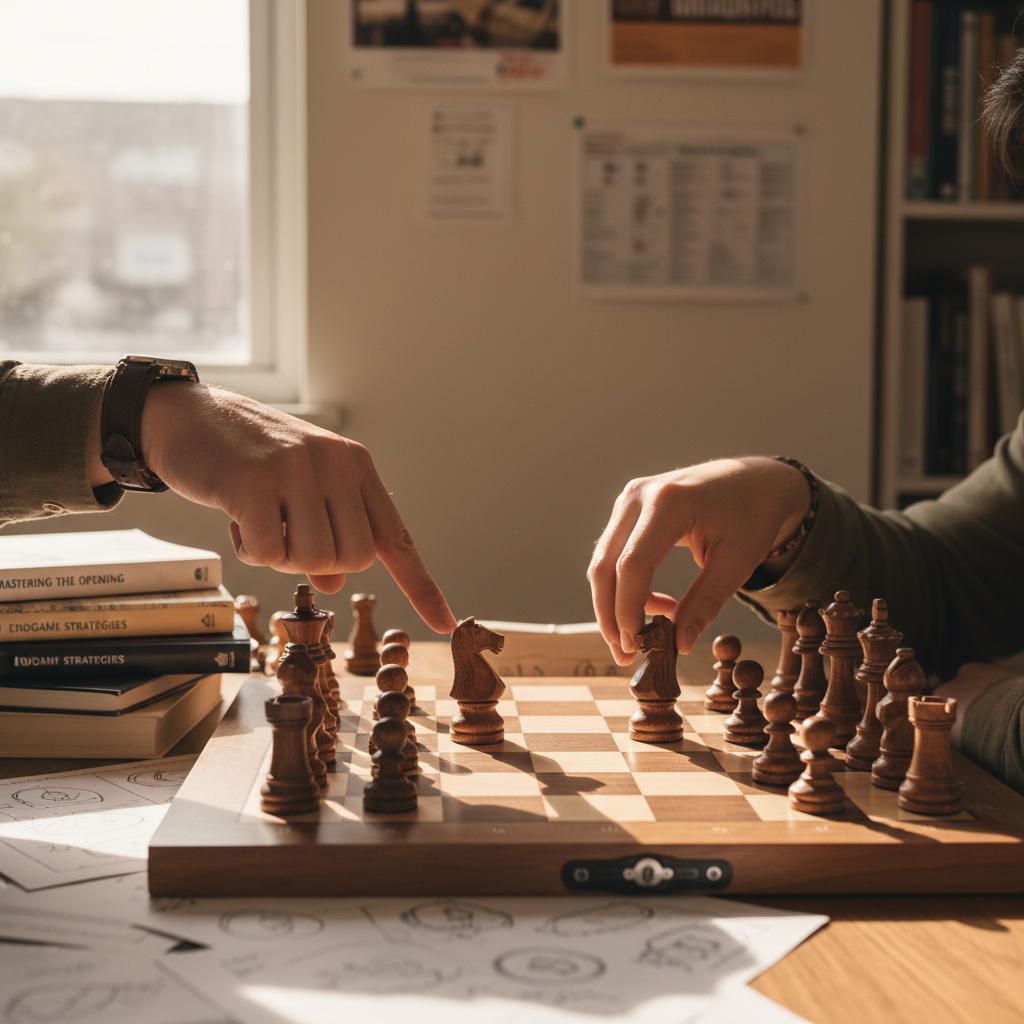
Understanding the principles of chess helps children in planning and decision-making, which are crucial skills for future leadership roles. By learning to anticipate their opponent's moves, children become adept at predicting outcomes and formulating strategies, preparing them for real-world challenges.
Building Confidence and Patience
Chess teaches patience and perseverance, as games can be long and require careful thought. Children learn to approach problems methodically, analyzing each move and its potential consequences. This patience translates into other areas of life, helping them tackle academic and personal challenges with a calm, collected mindset.
Moreover, every victory in chess, no matter how small, boosts a child's confidence. They learn to appreciate their progress and understand that improvement comes with practice and dedication. This confidence is crucial in shaping future leaders who are assured in their abilities.

Enhancing Cognitive Abilities
Chess is a mental workout that enhances cognitive abilities. It requires visualization, memory, and concentration, all of which are strengthened through regular play. These skills are invaluable in academic settings, enabling children to perform better in subjects that require critical thinking and analysis.
Additionally, chess encourages creativity as players explore different strategies and tactics. This creativity fosters innovation, an essential trait for future leaders who must adapt to changing environments and think outside the box.

Fostering Emotional Intelligence
Chess also contributes to the development of emotional intelligence. As children play, they experience both wins and losses, learning to manage emotions constructively. They develop empathy by considering their opponent's perspective and learn sportsmanship, essential qualities for effective leadership.
By understanding and controlling their emotions, children become more resilient, able to handle stress and setbacks with maturity. This emotional resilience is key to managing teams and leading successfully in various situations.
Encouraging Social Interaction
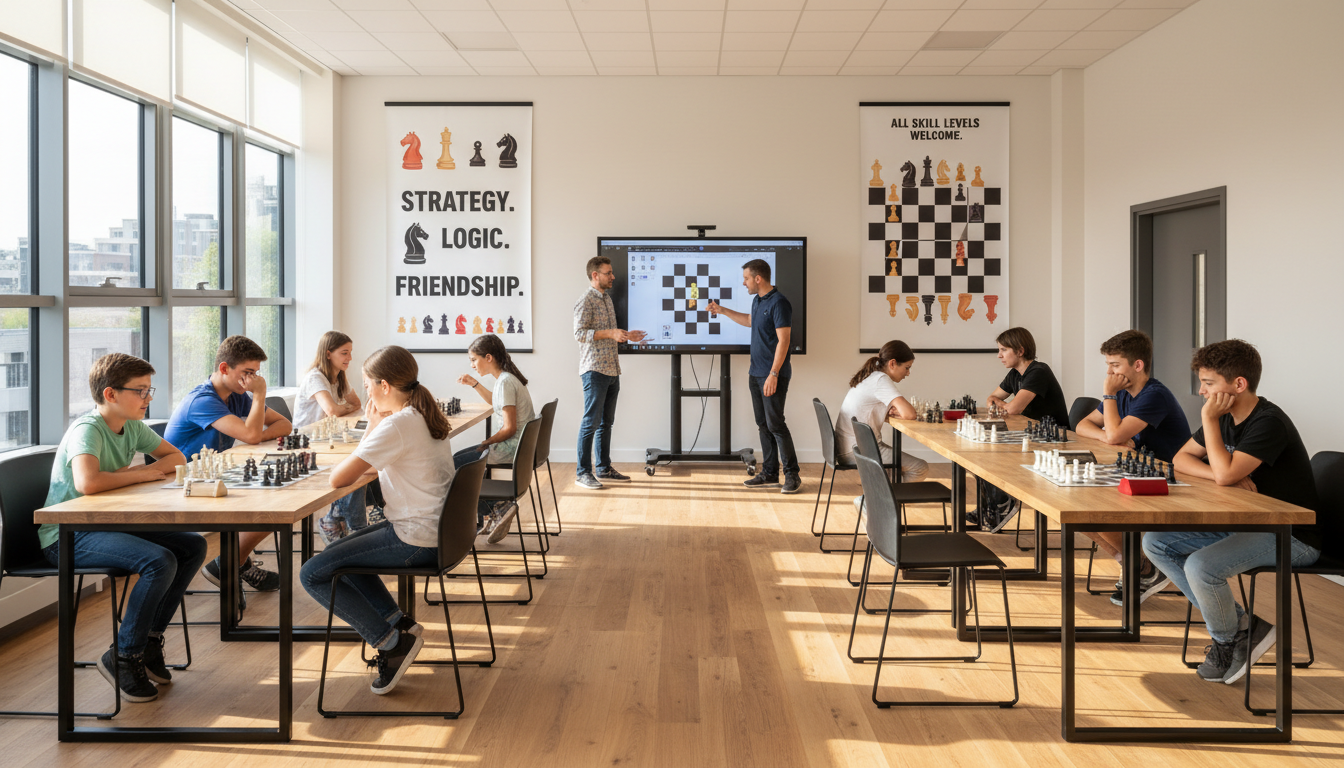
While chess can be played alone, it is often a social activity that brings children together. Participating in chess clubs or tournaments provides opportunities for social interaction, allowing children to build friendships and learn from peers.
These interactions teach valuable communication skills and the importance of collaboration, preparing children to work effectively in team settings as future leaders.
Implementing Chess in Education
Recognizing the benefits of chess, many schools have integrated it into their curriculum. Chess programs are designed to be inclusive, encouraging participation from children of all backgrounds and abilities. This inclusivity promotes diversity and equality, essential values for the leaders of tomorrow.
Parents and educators can further support this initiative by encouraging children to participate in chess-related activities outside of school. By nurturing a love for the game, they contribute to the holistic development of future leaders.