
Why Chess is the Ideal Mental Exercise for Kids


The Cognitive Benefits of Chess
Chess is not just a game; it's a powerful tool for developing mental acuity in children. Known for its strategic depth, chess challenges players to think ahead, plan, and adapt. These skills are crucial for cognitive development, making chess an ideal mental exercise for kids.
When children play chess, they learn to focus and concentrate for extended periods. This heightened concentration can translate into better performance in academic settings, where focus is often required for success.

Enhancing Problem-Solving Skills
Chess is a game of strategy that involves solving complex problems. Each move requires careful consideration, as players must anticipate their opponent's responses. This process enhances children's problem-solving skills, teaching them to analyze situations critically and make informed decisions.
These skills are transferable to real-life scenarios where problem-solving is essential. Kids who play chess regularly often display improved abilities in mathematics and science, where logical reasoning is key.
Building Patience and Discipline
Playing chess requires patience and discipline. Children must learn to wait for their turn and think through their moves carefully. This patience is a valuable life skill, helping kids develop self-control and the ability to delay gratification.
Through the discipline required in chess, children learn the importance of practice and persistence. These traits are essential for achieving long-term goals, both academically and in personal endeavors.

Boosting Memory and Creativity
Chess involves recalling numerous strategies and potential moves, which helps enhance memory. Children who play chess regularly often show improved memory retention, which can benefit them in their studies.
Additionally, chess fosters creativity. Players must think outside the box and devise innovative strategies to outsmart their opponents. This creative thinking can inspire children in other areas, encouraging them to explore new ideas and solutions.
Social and Emotional Growth
While chess is often seen as a solitary game, it also promotes social interaction. Playing with peers or participating in chess clubs allows children to build friendships and develop social skills. They learn sportsmanship, respect for others, and the value of teamwork.
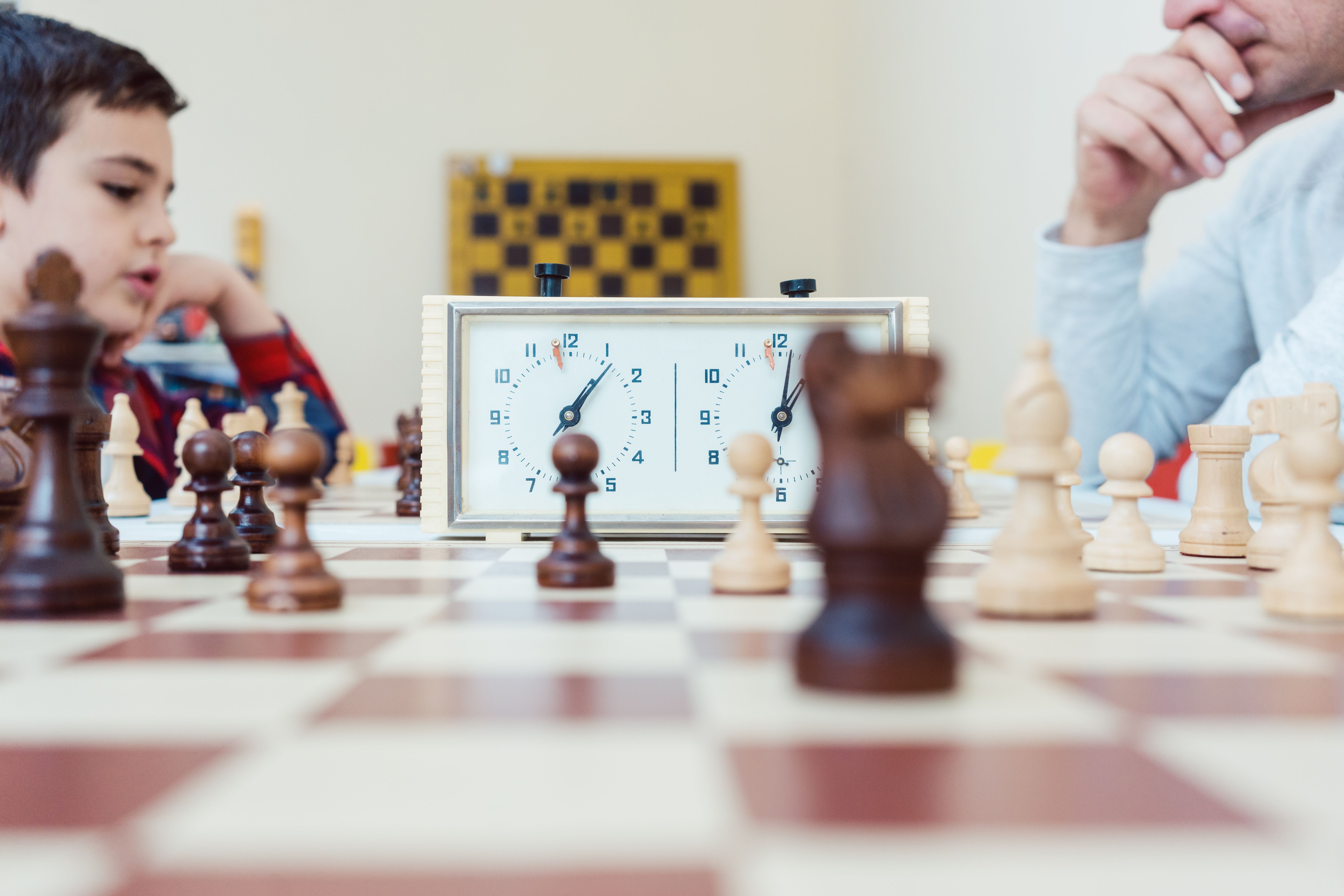
Emotionally, chess teaches resilience. Children learn to handle wins and losses gracefully, understanding that both are part of the learning process. This emotional maturity is crucial for personal development and can help children navigate various life challenges.
Conclusion
Incorporating chess into a child's routine can offer numerous benefits. From cognitive enhancements to social and emotional growth, chess provides a comprehensive mental workout. Encouraging children to play chess can be a fun and educational way to support their overall development.