
The Science Behind Chess: Why It’s Gaining Popularity Among Kids


The Fascinating World of Chess
Chess, a game of strategy and intellect, has been around for centuries. However, its popularity among children has surged in recent years. This resurgence can be attributed to the blend of scientific principles and the fun, engaging nature of the game. Understanding the science behind chess gives us insight into why it's becoming a favorite pastime for kids worldwide.

Cognitive Development and Chess
One of the most compelling reasons for the rising popularity of chess among kids is the cognitive benefits it offers. Studies have shown that playing chess can significantly enhance a child’s memory, problem-solving skills, and concentration. These skills are not only essential for academic success but also vital for personal growth and development.
Furthermore, chess encourages critical thinking. Kids learn to anticipate their opponent's moves and develop strategies to counter them. This type of forward-thinking and planning is a crucial cognitive skill that benefits children in various aspects of life.
The Role of Technology in Chess
The digital revolution has played a significant role in making chess more accessible to children. Online platforms and apps have gamified the learning process, providing interactive tutorials and challenges that keep children engaged. These platforms often use AI to match players with opponents of similar skill levels, ensuring a balanced and enjoyable experience.
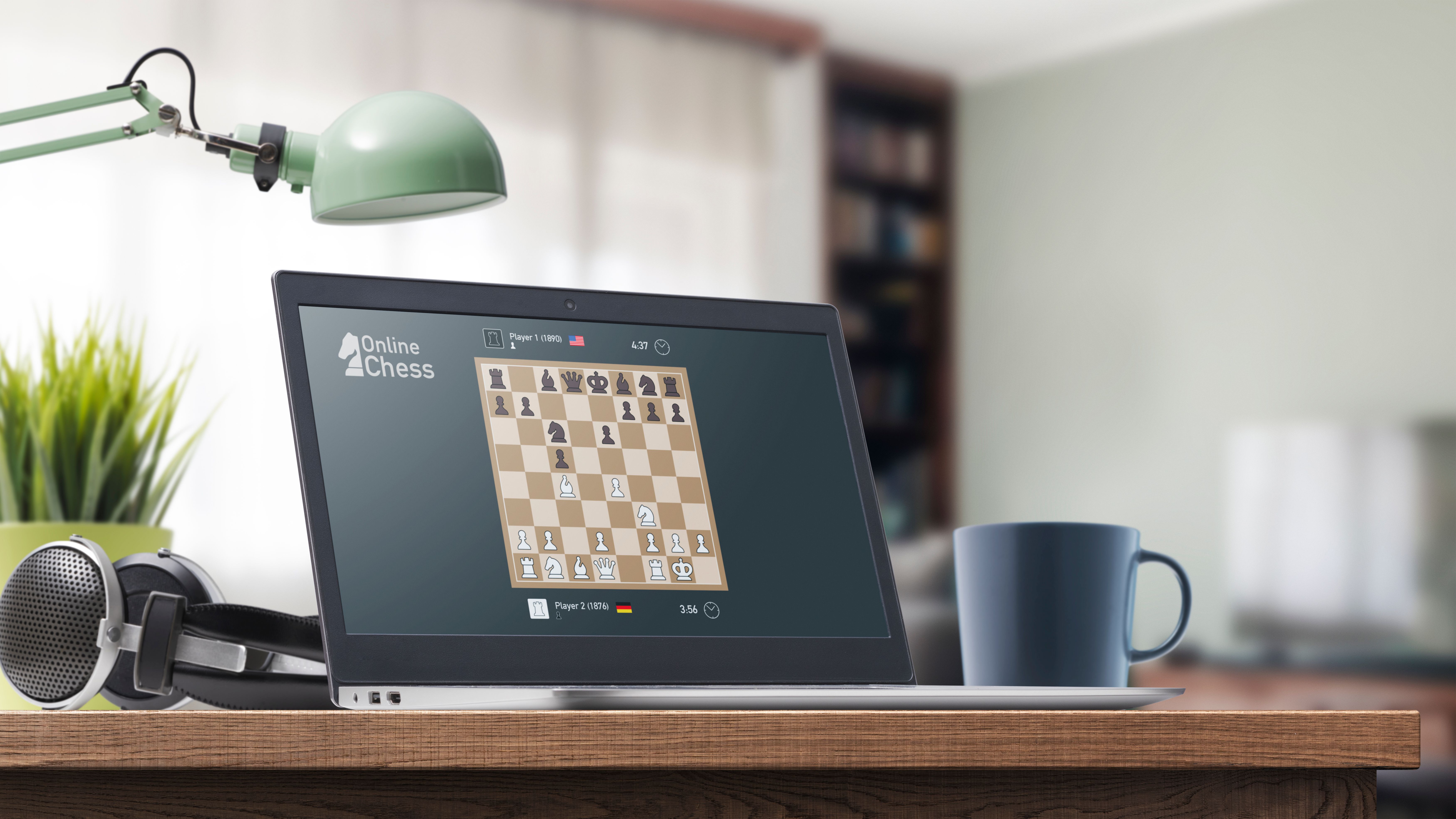
Moreover, technology has globalized the chess community, allowing kids to compete and connect with peers worldwide. This exposure to diverse playing styles and strategies enhances their learning experience and makes the game more exciting.
Chess in Educational Curriculums
Recognizing the educational benefits of chess, many schools have integrated the game into their curriculums. Teachers use chess as a tool to teach math, logic, and even history. By incorporating chess into education, schools provide a fun and interactive way for students to develop essential skills.
- Improved mathematical abilities
- Enhanced reading and comprehension skills
- Increased focus and discipline
Social and Emotional Benefits
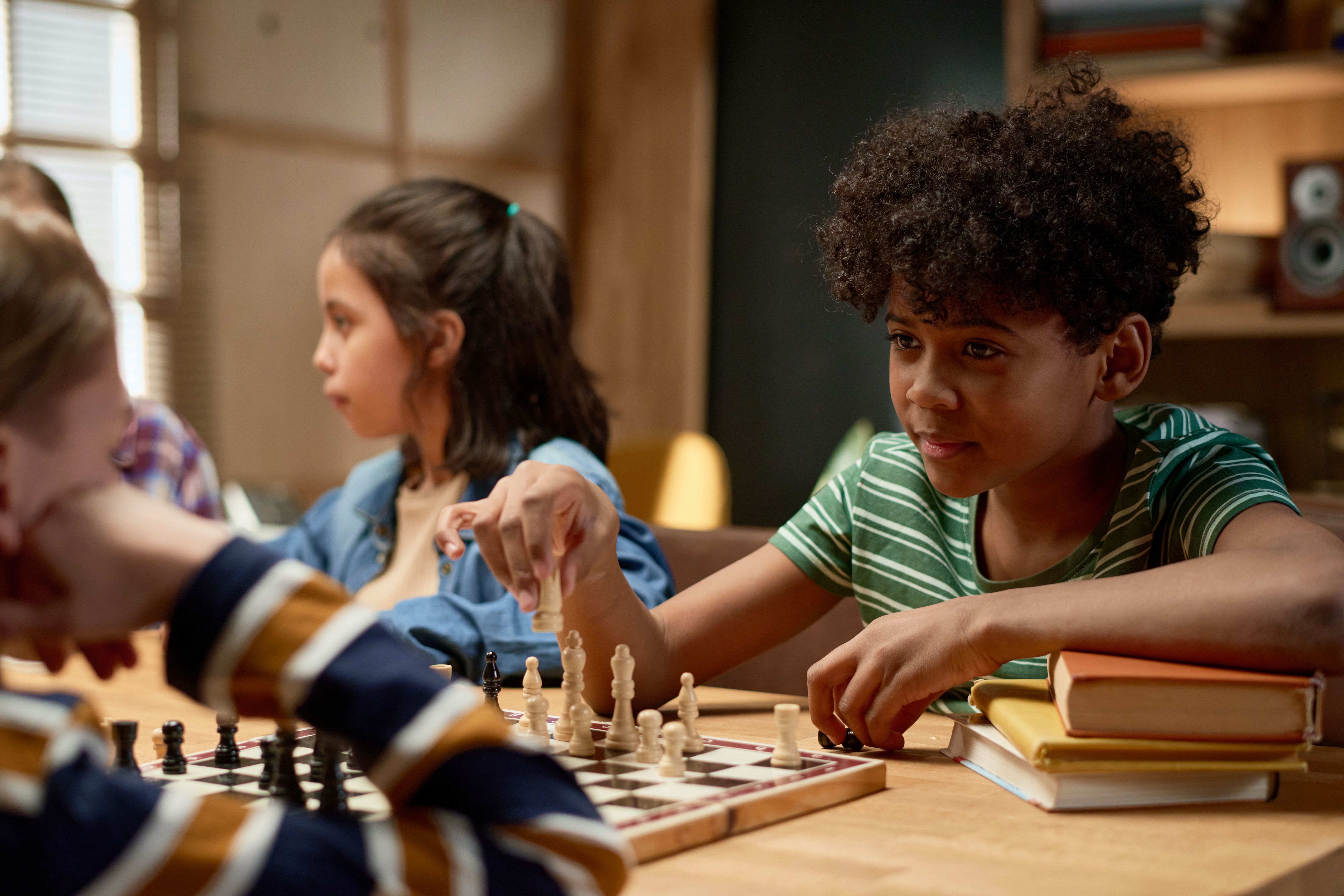
Chess is not just about intellectual growth; it also offers social and emotional benefits. Playing chess teaches children the importance of patience and sportsmanship. They learn to respect their opponents and handle wins and losses gracefully. These are important life lessons that contribute to a child’s emotional intelligence.
Additionally, chess clubs and tournaments provide opportunities for kids to socialize and build friendships. These interactions can boost their confidence and help them develop a sense of belonging and community.
Conclusion
The science behind chess reveals why it is gaining popularity among children. From cognitive and emotional development to technological advancements and educational integration, chess offers a comprehensive package of benefits that appeal to kids and parents alike. As more children discover the joys of chess, the game continues to thrive, fostering a new generation of strategic thinkers and problem solvers.