
The Cognitive Benefits of Chess for Children: A Parent’s Guide


Introduction to Chess and Cognitive Development
Chess is more than just a game; it's a powerful tool for cognitive development in children. Engaging in chess can enhance various mental skills that are beneficial both academically and personally. This guide explores how chess can be a valuable addition to your child's routine.

Enhancing Problem-Solving Skills
One of the key benefits of chess is its ability to improve problem-solving skills. Children learn to anticipate their opponent’s moves and devise strategies, which enhances their ability to solve complex problems. This skill is transferable to real-life situations, helping them tackle academic and social challenges more effectively.
Boosting Memory and Concentration
Chess requires players to remember various moves and strategies, which can significantly boost memory. The game also demands intense concentration, as players must focus on the board and anticipate future moves. This increased concentration can lead to better performance in school and other activities.
Improving Mathematical Skills
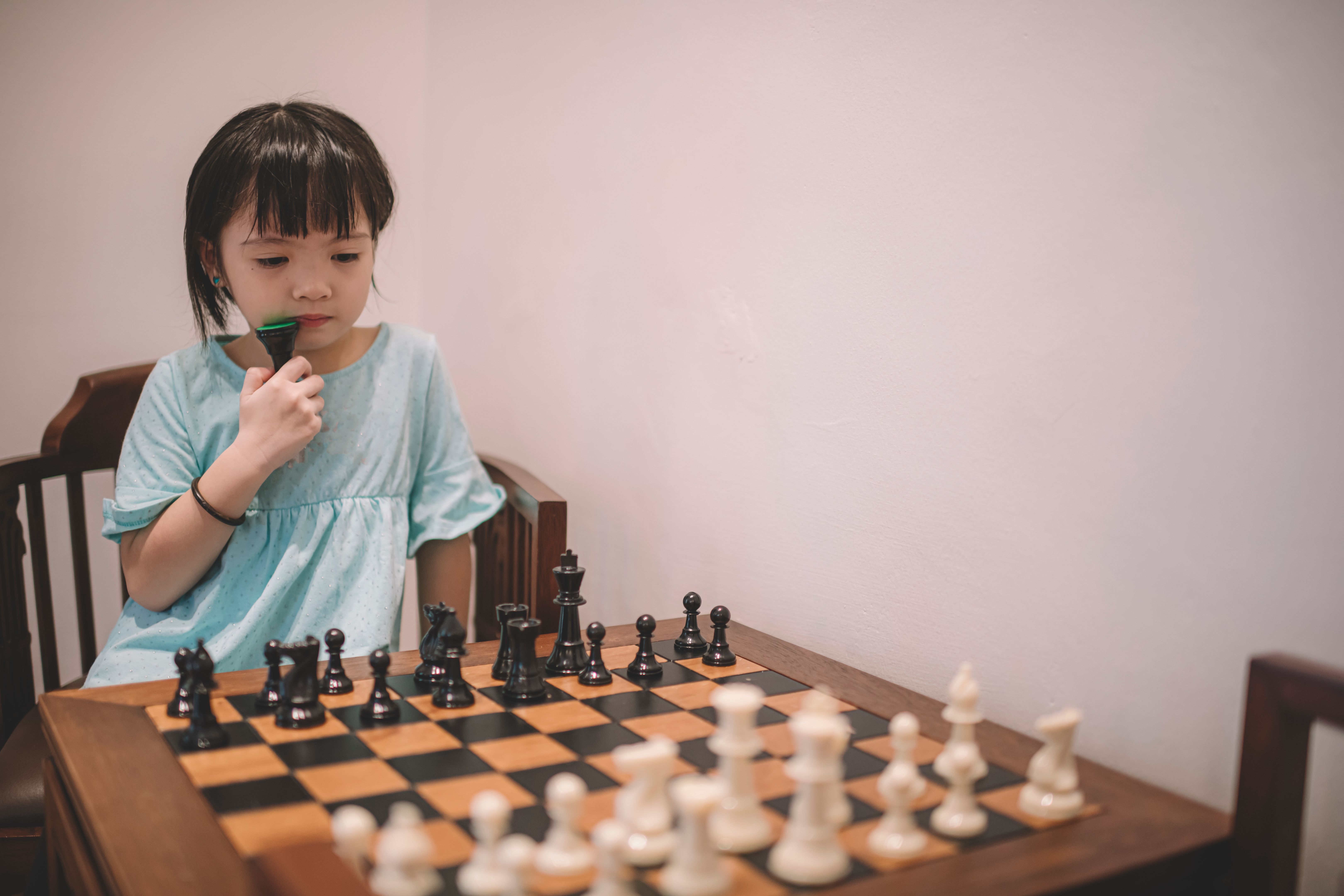
Chess involves a great deal of calculation and logical thinking, closely related to mathematics. By playing chess, children can enhance their mathematical skills, such as pattern recognition and spatial reasoning. This can lead to improved math grades and a deeper understanding of mathematical concepts.
Developing Critical Thinking
Critical thinking is a crucial skill that chess fosters in young minds. Children learn to evaluate different scenarios and make decisions based on logical reasoning. This ability to think critically is invaluable in academic settings and everyday life.
Promoting Patience and Discipline
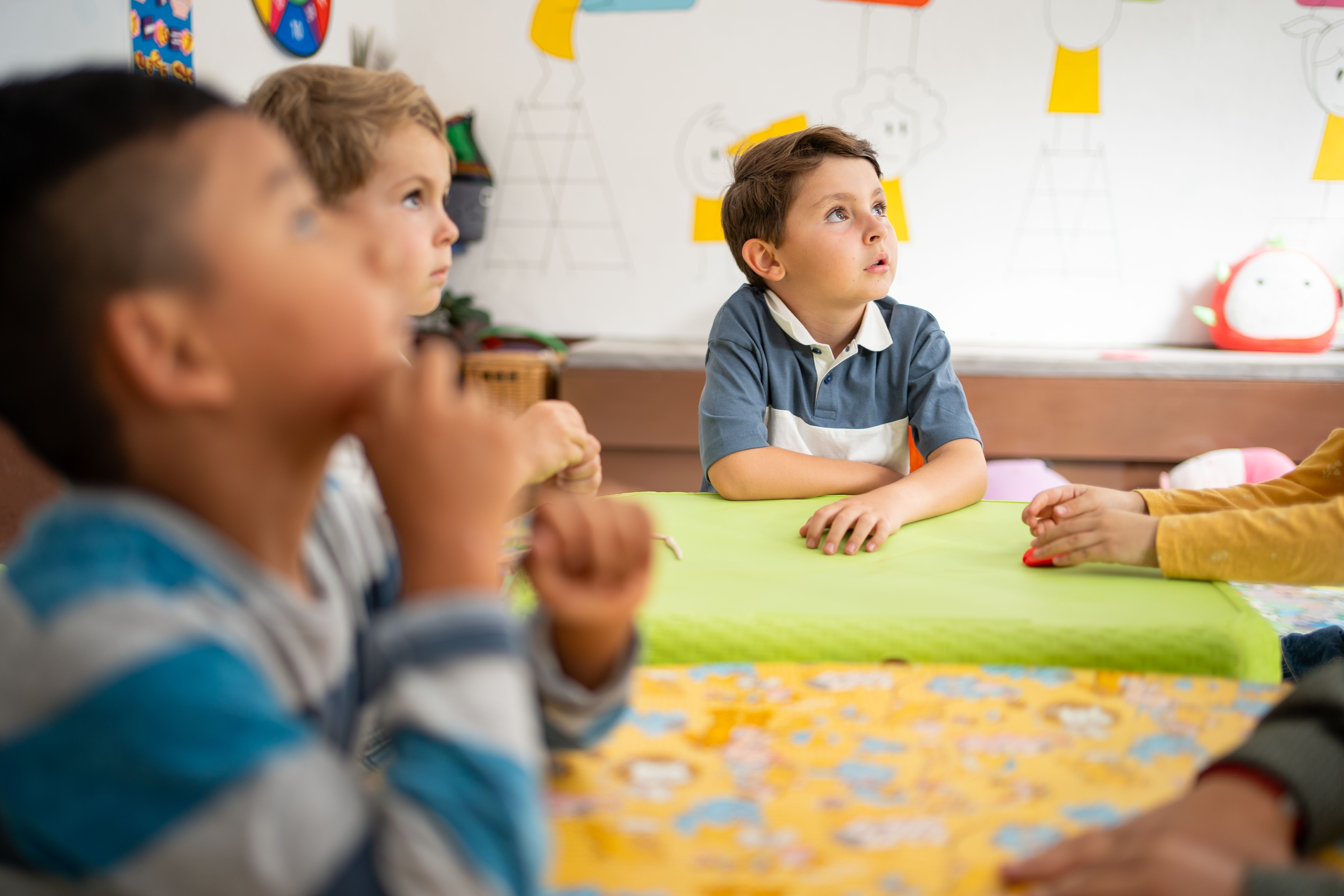
Chess teaches children the importance of patience and discipline. The game requires players to think carefully and avoid impulsive decisions. As children learn to wait for the right moment to make their moves, they develop patience and self-control, essential traits for personal growth.
Encouraging Social Interaction
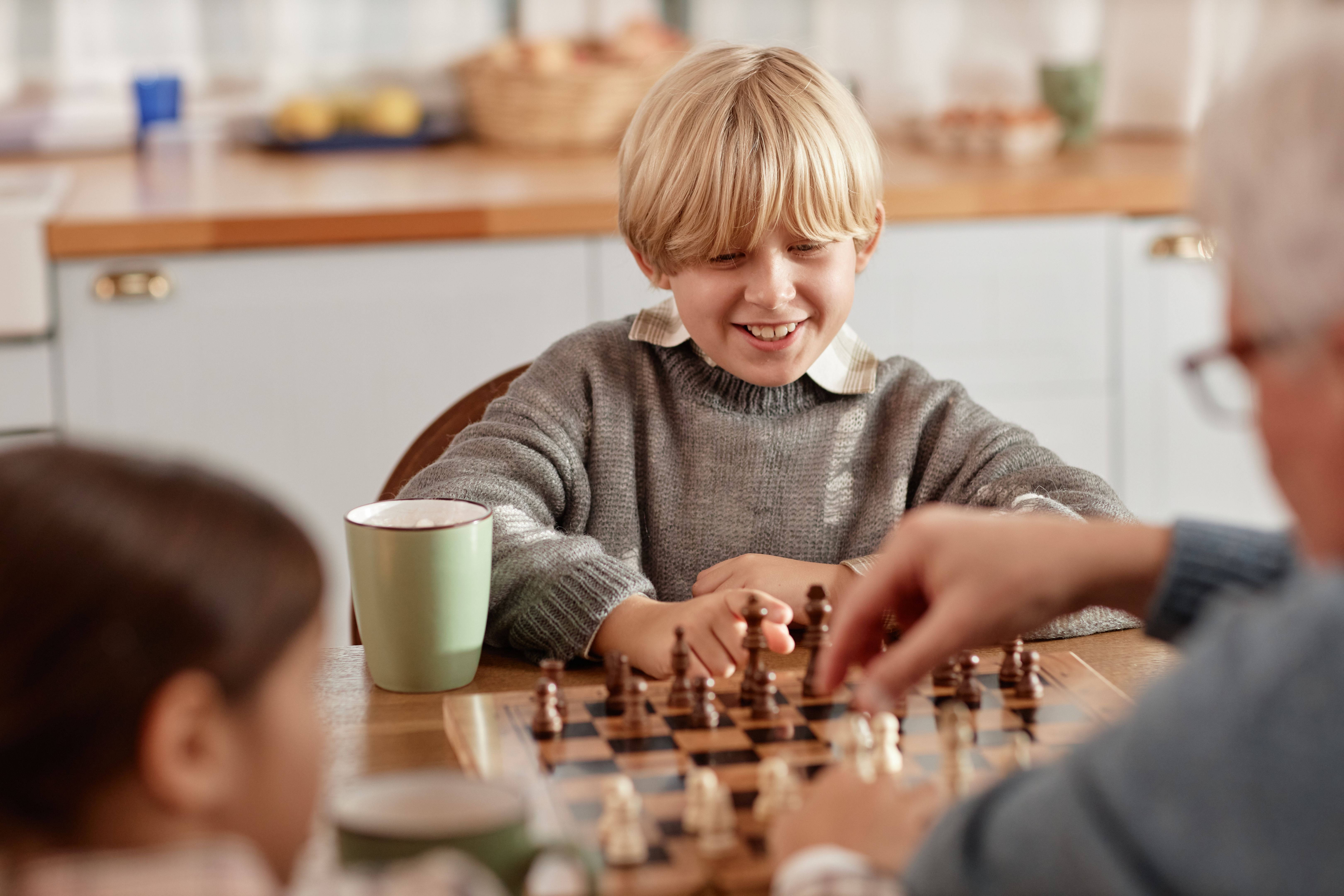
While chess is often perceived as a solitary game, it also offers opportunities for social interaction. Children can play with peers in clubs or online communities, fostering friendships and enhancing communication skills. This social aspect can improve a child's confidence and teamwork abilities.
Conclusion: Making Chess a Part of Your Child’s Life
Incorporating chess into your child's routine can provide numerous cognitive benefits. As a parent, encouraging your child to play chess can help them develop essential skills that will serve them throughout their life. Consider introducing chess at home or enrolling your child in a local chess club to start reaping the benefits today.