
How Chess Enhances Cognitive Skills in Kids: Insights from Experts


Introduction to Chess and Cognitive Development
Chess is more than just a game; it's a powerful educational tool that can significantly enhance cognitive skills in children. Experts in educational psychology and child development have long advocated for the inclusion of chess in school curriculums due to its numerous benefits.
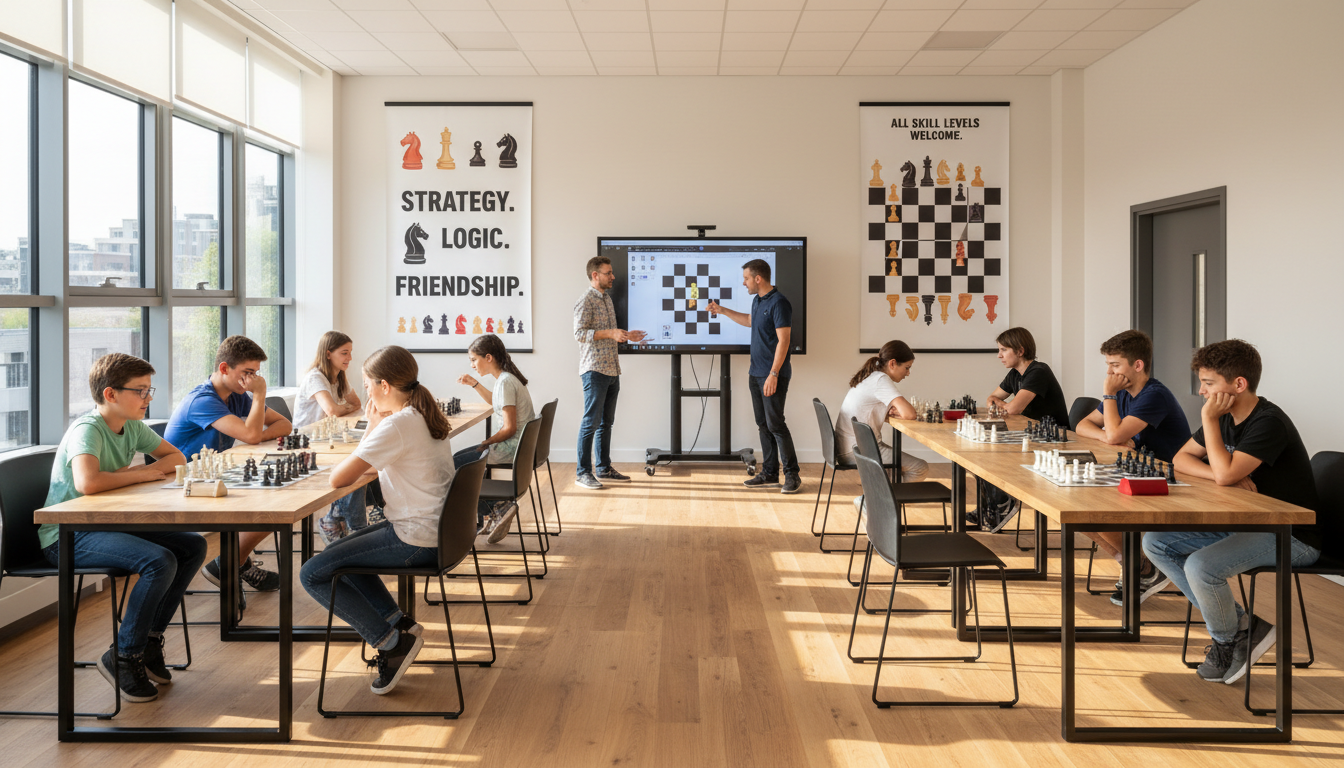
Playing chess encourages children to think critically and strategically. These skills are crucial not only for academic success but also for real-world problem-solving. By engaging in this timeless game, kids learn to navigate complex situations and make informed decisions.
Improving Memory and Concentration
One of the most noticeable benefits of chess is its ability to improve memory. As children play, they must remember various positions, strategies, and the potential outcomes of their moves. This helps in enhancing both short-term and long-term memory.
Moreover, chess demands high levels of concentration. Every move requires attention to detail and careful consideration of the opponent's strategy. This intense focus is transferable to other areas of life, including academics and extracurricular activities.

Boosting Problem-Solving Skills
Chess is a problem-solving playground. Players must anticipate their opponent's actions and devise plans to counter them. This process involves logical thinking and foresight, skills that are directly applicable to solving complex problems in various contexts.
Experts highlight that children who regularly play chess tend to excel in subjects like mathematics and science. The strategic nature of the game mirrors the analytical thinking required in these disciplines.
Enhancing Emotional Intelligence
Chess also plays a significant role in developing emotional intelligence. Players experience wins and losses, teaching them how to handle success and failure gracefully. This emotional resilience is essential for personal growth and interpersonal relationships.
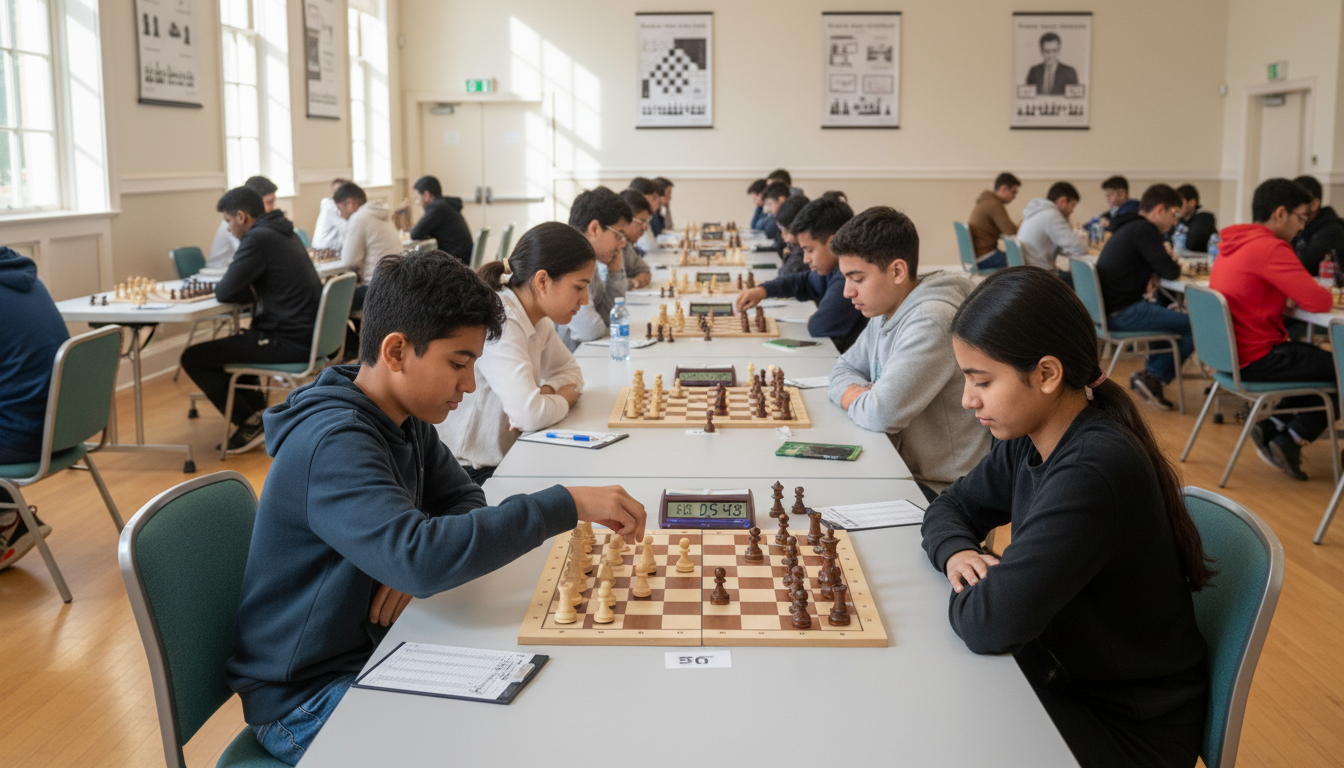
Furthermore, chess encourages patience and discipline. Children learn to wait for the right moment to make a move, fostering a sense of control over their impulses and emotions.
Social Benefits of Playing Chess
While often seen as a solitary game, chess offers numerous social benefits. It brings children together, fostering a sense of community and teamwork. Through chess clubs and tournaments, kids learn to communicate effectively and respect their peers.
Collaboration and mutual respect are integral parts of the game, providing children with valuable social skills that will benefit them throughout their lives.
Conclusion
Incorporating chess into a child's routine can provide a wealth of cognitive and emotional benefits. As experts suggest, the skills gained from playing chess go beyond the board, equipping children with the tools they need for academic achievement and personal development.
Encouraging your child to play chess might just be the strategic move that sets them up for success in multiple areas of life.